Service
Spray Foam Roof Insulation
Roofline insulation is a different job than attic-floor insulation, and it matters for a specific set of homes: vaulted or cathedral ceilings with no traditional attic space above them, conditioned attics designed to bring HVAC equipment inside the insulated envelope, and roofs that need both thermal performance and an added layer of protection against southern Utah's intense summer sun and occasional monsoon-season downpours.
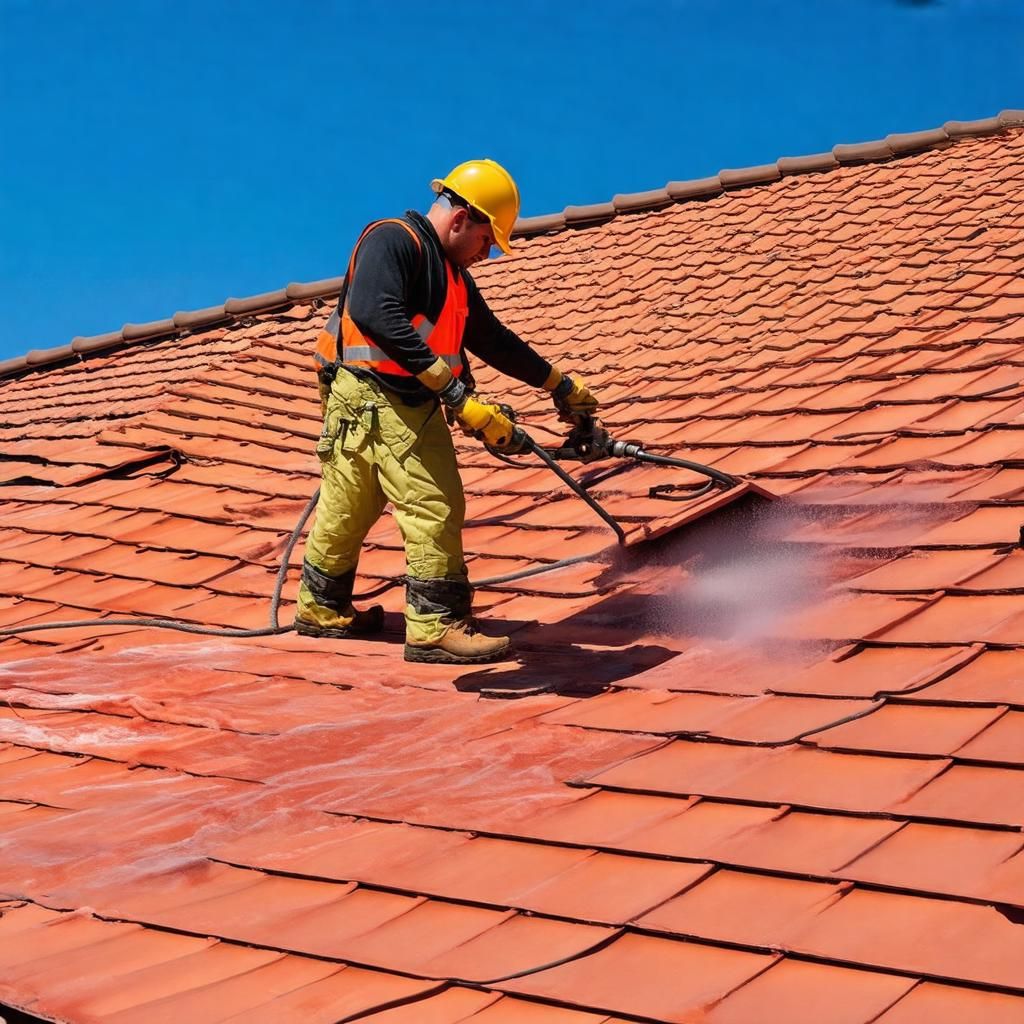
Why Roofline Application Is Different From Attic-Floor Insulation
When a home has a vaulted ceiling, there's no flat attic floor to insulate — the insulation has to go directly against the underside of the roof deck, following the same slope as the ceiling below it. This application method seals the entire roof assembly as one continuous air barrier, rather than insulating a horizontal plane below an open attic space. It's also the approach used for conditioned (unvented) attics, where the goal is bringing the whole attic volume — including any ductwork or HVAC equipment inside it — into the home's conditioned envelope instead of leaving it exposed to outdoor temperature swings.
Closed-Cell Foam and Roof Protection
Roofline applications typically call for closed-cell spray foam specifically, because its higher density and moisture resistance matter more on a roof deck than they do on an attic floor. Closed-cell foam also adds a measurable amount of structural rigidity to the roof assembly, which can be a genuine benefit on older roof decks or in areas that see occasional high wind. Beyond insulation performance, a well-applied closed-cell foam roof application creates a continuous seal that resists moisture intrusion at seams and penetrations — a real consideration in a climate that swings between intense dry heat and sudden, heavy monsoon rain.
Vaulted Ceilings and Conditioned Attics
Homes with vaulted or open-beam ceilings are common in parts of the Zion gateway region, and they present a specific insulation challenge: there's often minimal cavity depth to work with, which makes an efficient, high-R-value-per-inch material like closed-cell spray foam a practical fit where thicker batt insulation simply won't fit the available space. For conditioned attic conversions, roofline spray foam is typically paired with sealing all attic vents, since the goal is bringing the space fully inside the building envelope rather than keeping it vented to the outside.
What to Expect on Installation Day
Roofline projects require careful attention to ventilation requirements and local building code, since improperly designed unvented roof assemblies can create moisture problems if the assembly isn't detailed correctly. We assess your specific roof structure, existing ventilation, and code requirements before recommending a vented or unvented approach, then apply the foam in controlled passes to the correct thickness. Most residential roofline projects are completed in one to two days depending on square footage and roof complexity.
Who This Is For
This service fits homes with vaulted or cathedral ceilings and no traditional flat attic, homeowners converting a vented attic to a conditioned one, and anyone whose roof assembly needs both insulation and an added moisture barrier. If your home has a standard flat attic floor with room to insulate horizontally, our Attic Insulation service is usually the more cost-effective option — we'll tell you honestly which one fits your specific roof.
Frequently Asked Questions
Related Services
Ready to Get Your Free Quote?
Tell us about your property and we'll put together a straightforward estimate — no hidden fees, no pressure.