Service
Crawl Space Spray Foam Insulation
Crawl spaces are one of the most commonly overlooked parts of a home's insulation envelope — out of sight, rarely inspected, and often insulated (if at all) with materials that have sagged, fallen, or gotten wet years ago. Spray foam crawl space insulation closes off a surprisingly large source of energy loss and, done correctly, addresses moisture problems that traditional insulation makes worse rather than better.
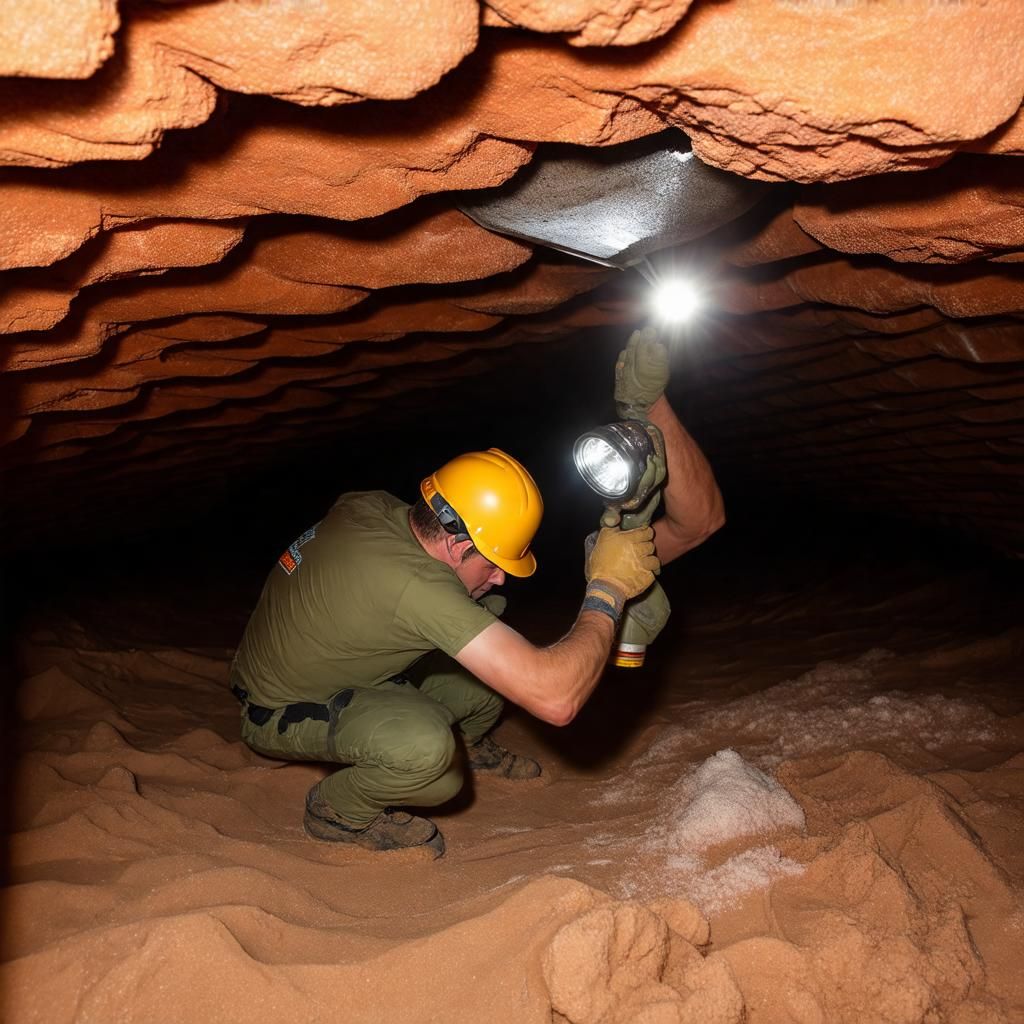
Why Crawl Spaces Are a Bigger Deal Than Most Homeowners Realize
A poorly sealed crawl space is functionally an open connection between your living space and the outside — or the ground — depending on how it was originally built. Cold or hot air moves up through uninsulated or poorly insulated crawl space ceilings, and the ground beneath an unsealed crawl space is a constant source of moisture that traditional fiberglass batt insulation absorbs, sags under, and eventually stops insulating altogether. In southern Utah's climate, a crawl space also has to deal with genuine summer heat radiating up from the ground and real winter cold settling in overnight, which means an underperforming crawl space works against your HVAC system in both directions across the year, not just one.
Spray Foam vs. Batt Insulation in a Crawl Space
Traditional fiberglass batts stapled between crawl space floor joists are the most common approach in older homes, and they're also one of the most common insulation failures we see — batts sag out of place, absorb ground moisture, and lose most of their effective R-value within a few years in a damp or poorly ventilated crawl space. Spray foam applied directly to the crawl space walls or the underside of the subfloor doesn't sag, doesn't absorb moisture the same way, and creates a genuine air seal rather than just a thermal buffer that's slowly falling out of place.
Encapsulation vs. Insulation-Only Approaches
Depending on your crawl space's ventilation, moisture history, and structure, spray foam can be part of a full crawl space encapsulation (sealing the space with a vapor barrier in addition to insulating) or a more targeted insulation-only approach on the subfloor. Full encapsulation is a bigger project but addresses moisture and pest issues more comprehensively; a targeted approach is a lower-cost option for crawl spaces without significant moisture problems. We'll assess your specific crawl space and recommend the right scope rather than defaulting to the most expensive option.
What to Expect on Installation Day
Crawl space work involves confined-space access, so we'll walk the space (or review photos/video if direct access is limited) before quoting to understand square footage, moisture conditions, and any existing insulation that needs to come out first. Installation itself is typically completed in a single day for residential crawl spaces, with proper ventilation and cure time built into the schedule before the space is closed back up.
Signs Your Crawl Space Needs Attention
Cold floors in winter directly above the crawl space, a musty smell in ground-floor rooms, visible moisture or sagging insulation when the crawl space is inspected, and unexplained increases in heating or cooling costs are all common signs that a crawl space is underperforming. Pest activity is another indicator worth taking seriously — gaps large enough to let air and moisture through a crawl space are often large enough for rodents and insects too.
Frequently Asked Questions
Related Services
Ready to Get Your Free Quote?
Tell us about your property and we'll put together a straightforward estimate — no hidden fees, no pressure.