Service
Attic Spray Foam Insulation
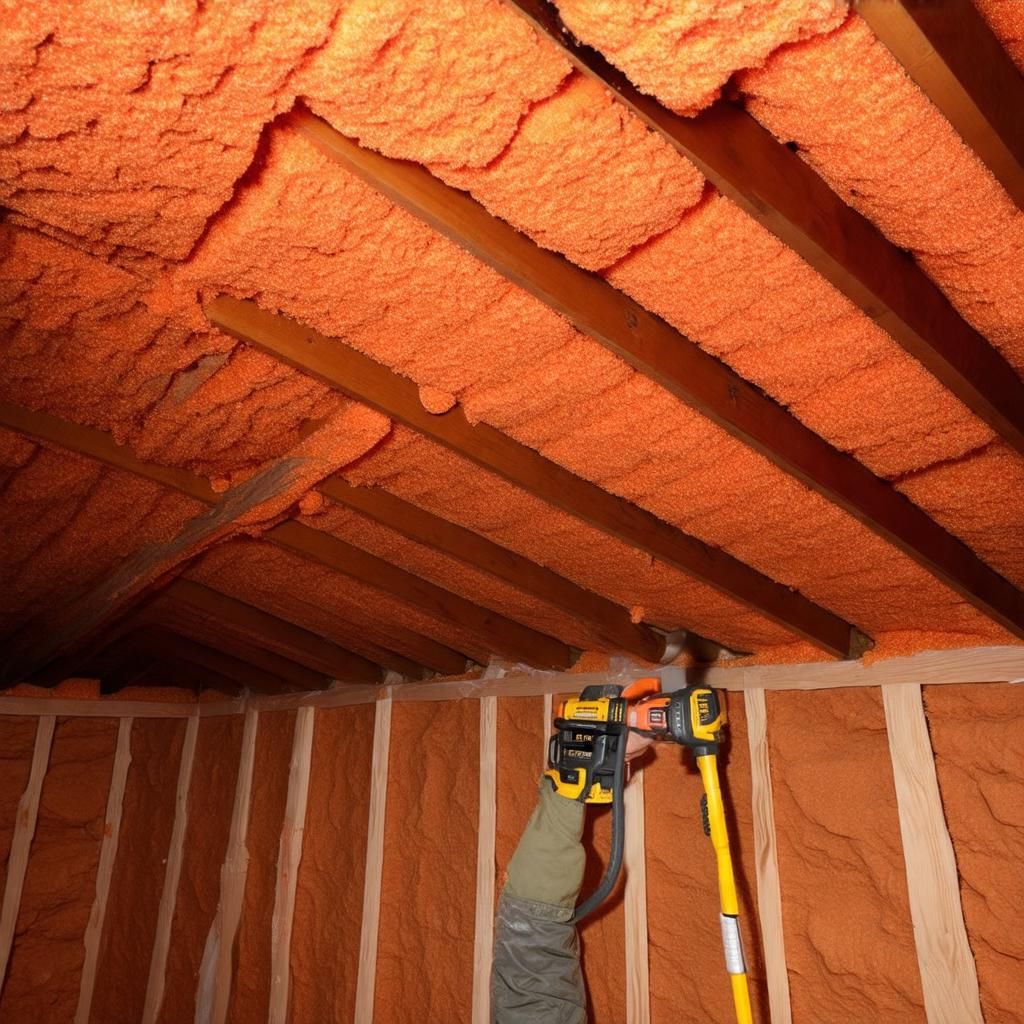
For most southern Utah homes, the attic is where the biggest insulation upgrade opportunity lives. It's the surface most directly exposed to summer roof temperatures that can climb well past 150 degrees, and it's usually the least-upgraded part of a home built more than a decade or two ago. Spray foam attic insulation addresses both the heat gain problem and the air leakage that traditional batt insulation leaves behind.
Why the Attic Matters So Much in This Climate
Heat doesn't just radiate down through an attic — it also moves through every gap, gable vent, can-light housing, and top-plate seam that traditional insulation doesn't seal. In St. George and the surrounding area, that means a hot attic isn't just sitting above your living space, it's actively pushing heated air into it through dozens of small openings most homeowners never see. The reverse happens in winter, when conditioned indoor air escapes upward through the same gaps. Spray foam seals those gaps as part of the application itself, which is the main reason it outperforms batt insulation of a similar R-value in real-world energy bills, not just on paper.
Open-Cell vs. Closed-Cell for Attics
Both types of spray foam work in an attic application, and which one makes sense depends on your specific roof structure and budget. Open-cell foam is lighter, less expensive per square foot, and still delivers strong air-sealing performance — a common choice for standard attic applications. Closed-cell foam costs more but delivers a higher R-value per inch and adds some rigidity to the roof deck, which can matter for older or less structurally robust roof framing. We'll recommend the right option after seeing your specific attic, not before.
Vented vs. Unvented (Conditioned) Attics
Spray foam attic insulation can be installed two different ways: along the attic floor (leaving the attic itself vented and unconditioned, similar to how batt insulation is usually installed) or directly to the underside of the roof deck (creating a sealed, conditioned attic space). Roof-deck application is increasingly common in newer builds and full insulation retrofits because it brings ductwork and HVAC equipment inside the conditioned envelope, which can meaningfully improve efficiency if your air handler or ductwork lives in the attic. We'll walk through which approach fits your home's existing structure and HVAC layout.
What to Expect on Installation Day
Most residential attic jobs are completed in a single day. We'll protect surrounding surfaces, apply the foam to the correct thickness for your target R-value, and let it fully cure before anyone re-enters the space — cured spray foam is inert and safe, but the curing window matters and we'll walk you through the timeline before we start. Older attics with existing batt or blown-in insulation may need that material removed first, which we can handle as part of the same project.
Signs Your Attic Insulation Needs an Upgrade
A few reliable signs it's time to look at attic insulation: noticeably hot upstairs rooms in summer that never quite cool down even with the AC running, visibly thin, compressed, or disturbed batt insulation when you look into the attic, unusually high summer cooling bills relative to home size, and dust accumulation in the attic that suggests outside air is finding its way in. None of these are dramatic on their own, but together they're a strong signal that the attic is underperforming.
Frequently Asked Questions
Related Services
Ready to Get Your Free Quote?
Tell us about your property and we'll put together a straightforward estimate — no hidden fees, no pressure.